After a Lehigh Valley storm, the first roof clue may be a shingle in the yard, a newly exposed ridge, a dented gutter, or water that appears only when rain is driven from one direction. Hail can disturb asphalt without leaving a clean hole, while wind can release seal strips and edge material that settle back down when the gust passes. Slate and older metal details require a separate look because impact and hurried foot traffic can both break material.
A storm visit should build an observed-condition record before anyone argues for a particular outcome. The contractor checks the affected slopes, photographs damage in context, notes interior moisture, and prepares an itemized repair or replacement scope when work is warranted. Coverage belongs to the insurer. The useful deliverable is evidence you can understand, a plan for any exposed area, and a price tied to the roof condition rather than to an assumed claim result.
Document the roof as a connected exterior system
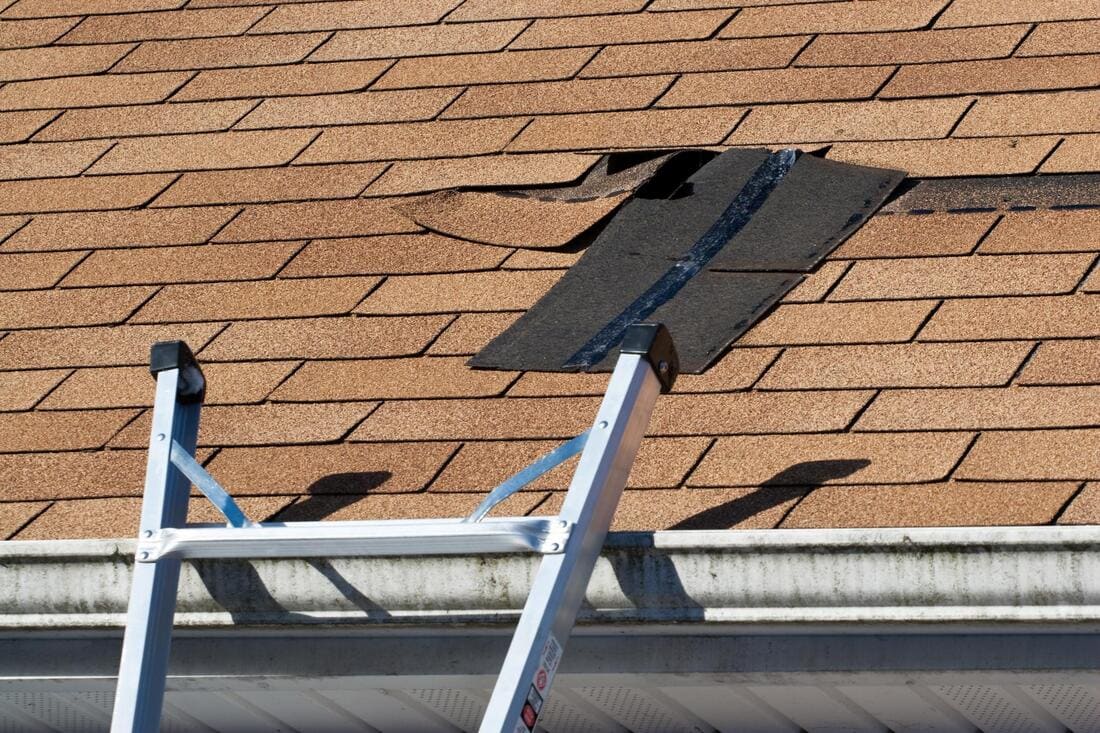
The inspection should cover each safely accessible slope, ridge and hip caps, valleys, vents, roof penetrations, gutters, downspouts, and the siding or trim where wind-driven rain could cross a transition. Indoor stains and attic moisture add context, but they do not identify the opening by themselves. Wide photos show location and roof orientation; closer images show lifted edges, fractures, punctures, or impact marks. Together they distinguish a local repair from damage spread over several surfaces.
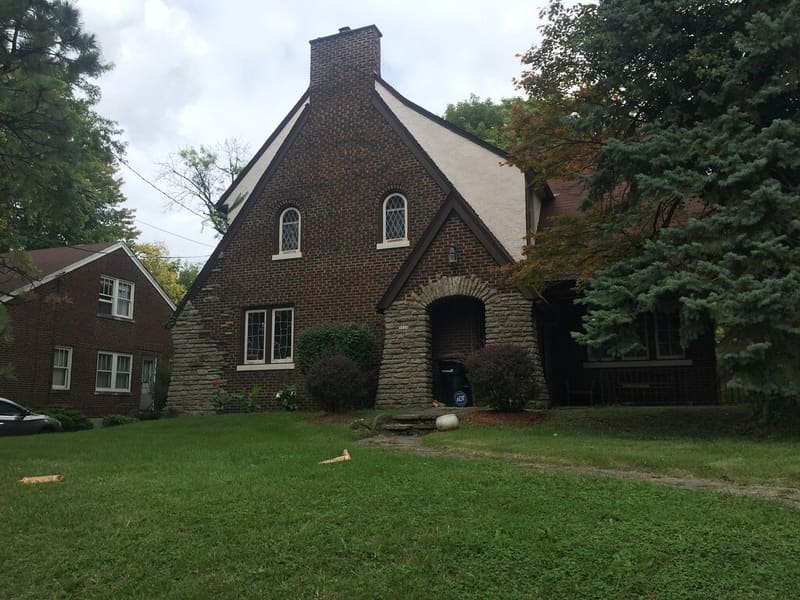
Material changes matter. Asphalt bruising, split rubber, bent edge metal, cracked slate, and separated flashing do not receive the same repair. On older Bethlehem homes, the access route should avoid fragile slate and detailed metalwork wherever possible. The report should also identify ordinary age wear that predates the storm so the homeowner can see what was observed without treating every old mark as new damage.
Follow wind-driven water past the obvious shingle field
Wind can push rain beneath a lifted tab, around a dormer corner, behind a loose sidewall connection, or against the uphill side of a chimney. A roof may stay dry during straight rainfall and leak only when a storm presses water across a normally protected lap. Exposed roof corners and open slopes may lose caps or edge pieces, while sheltered areas on the same house remain intact. Those patterns help narrow the inspection without proving the source on their own.
When the stain appears only during wind, record which room and wall became wet and which side of the house faced the weather. The exterior check can then follow roof-wall intersections, chimney sides, penetrations, ridge ends, and edge metal along that route. Sealant over an arbitrary surface is weak evidence of a repair. Replacing or rebuilding the failed detail creates a scope that can be photographed before and after work.
Choose among a focused repair, temporary dry-in, and replacement
A missing ridge cap, short run of lifted shingles, bent flashing piece, or small membrane puncture can be a focused repair when nearby material remains secure. An opening that exposes decking may need a tarp or dry-in first, especially when rain continues or matching material is unavailable. Replacement enters the conversation when damage is broad, the roof surface was already brittle, several slopes have lost adhesion, or wet decking makes another patch difficult to defend.
The written scope should label temporary work clearly and describe the permanent repair area, material, decking assumptions, access, cleanup, and photo record. Ask the serving contractor for a Pennsylvania HIC registration number and verify it with the Attorney General office before signing. Do not accept deductible promises or claims of guaranteed approval. Photos and an itemized scope support a factual conversation; they do not determine what an insurer covers.
For scheduling, call (610) 492-6917. Bethlehem Roof Pros routes the request to an independent Pennsylvania roofing contractor serving Bethlehem and nearby Lehigh Valley communities.