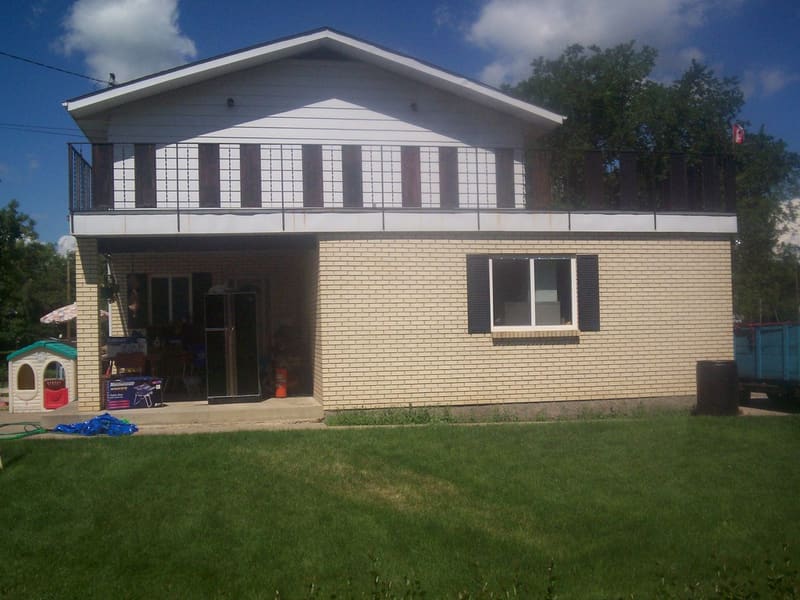
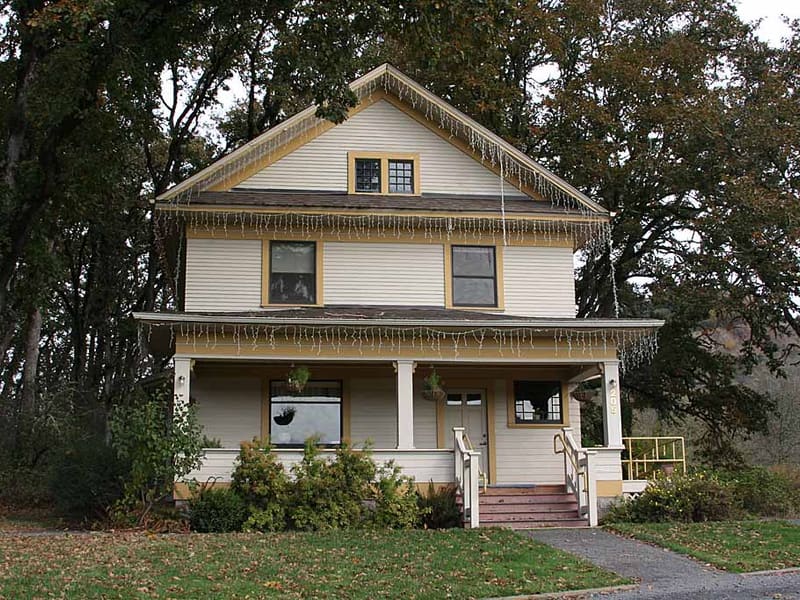
A loose vinyl panel or dented aluminum section may be a surface repair, but water inside the wall can begin somewhere else. Rain can cross open trim, a failed roof-wall junction, a gutter that discharges against siding, or a missing kickout at the bottom of step flashing. Wind may release panels and drive water through an opening during the same storm. The inspection should connect the indoor or exterior symptom to the route above it before replacement material is ordered.
Older Bethlehem exteriors also present a matching decision. Existing profiles and colors may no longer be readily available, and removing a small section can reveal trim or substrate conditions that were hidden. Call (610) 492-6917 with the wall location, recent weather, and safe photos. The written scope should say whether the work is limited to cladding, includes flashing or trim, and what matching limitations are known before the wall is opened.
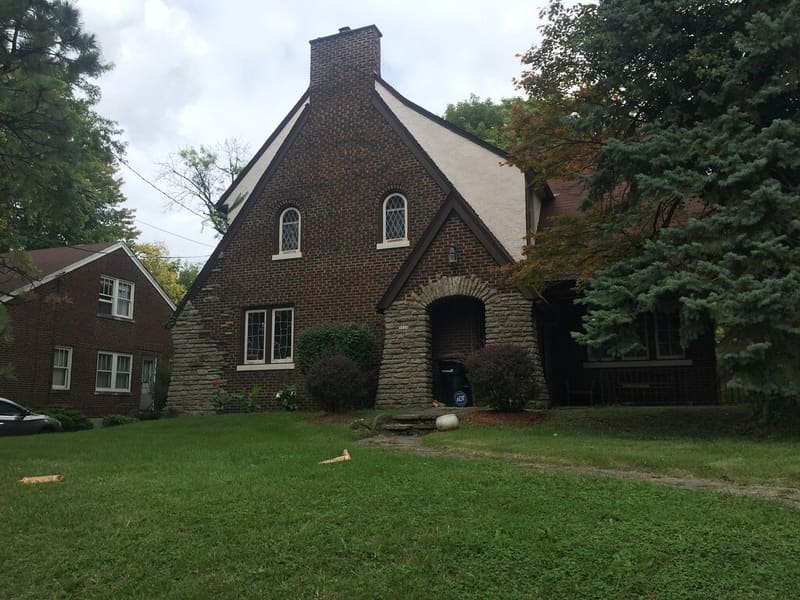
Set expectations for profile and color matching first
A focused repair is attractive when damage is limited, surrounding panels still lock securely, and a reasonable material match can be sourced. The replacement piece still needs compatible dimensions and fastening so it can move as intended. Color can differ because the existing exterior has weathered even when the original product is found. The contractor should show the proposed match or explain uncertainty instead of promising that a new piece will disappear into an older elevation.
When an exact profile is unavailable, options may include using the closest compatible material in a less visible location or replacing a larger section so the change ends at a sensible break. The right choice depends on water protection, attachment, appearance, and budget. Those choices belong in the proposal before removal, along with how open wall areas will be protected if concealed damage or unavailable material delays final installation.
Trace the leak uphill through roof, trim, and wall flashing
At a sloped roof beside a wall, each course needs to direct water back onto the roofing surface. The lower end needs a path that sends runoff into the gutter instead of behind cladding. If step flashing is buried, a lower kickout is absent, trim has opened, or the gutter is overflowing, water may appear behind siding several feet from the entry point. Replacing the wet panel alone leaves that uphill mechanism unchanged.
The inspection should examine the roof plane, wall line, bottom flashing termination, nearby gutter, and interior evidence where available. A combined scope can state who removes and reinstalls siding, who repairs the roofing or flashing, how exposed wall areas are protected, and what happens if wet substrate is found. Clear sequencing matters because the final water layers overlap; each trade must be able to complete its part without burying an unfinished detail.
Record wind damage before released panels shift again
Wind can unlock a panel, loosen edge channel, pull trim from a corner, or expose the layer behind the cladding. A released piece may settle back against the wall after the storm while remaining unsecured. Hail can mark siding and nearby soft metal on a different pattern from the roof. Wide and close photographs help locate each condition, and safe ground inspection can often document the exterior before anyone removes material.
The repair scope should separate appearance-only marks from openings that can admit water or allow more panels to release. Storm documentation is an observed-condition record, not a promise about insurance coverage. The insurer decides coverage. The contractor should price the construction work, state material-match limits, and avoid deductible arrangements or claims that approval is certain.
For scheduling, call (610) 492-6917. Bethlehem Roof Pros routes the request to an independent Pennsylvania roofing contractor serving Bethlehem and nearby Lehigh Valley communities.