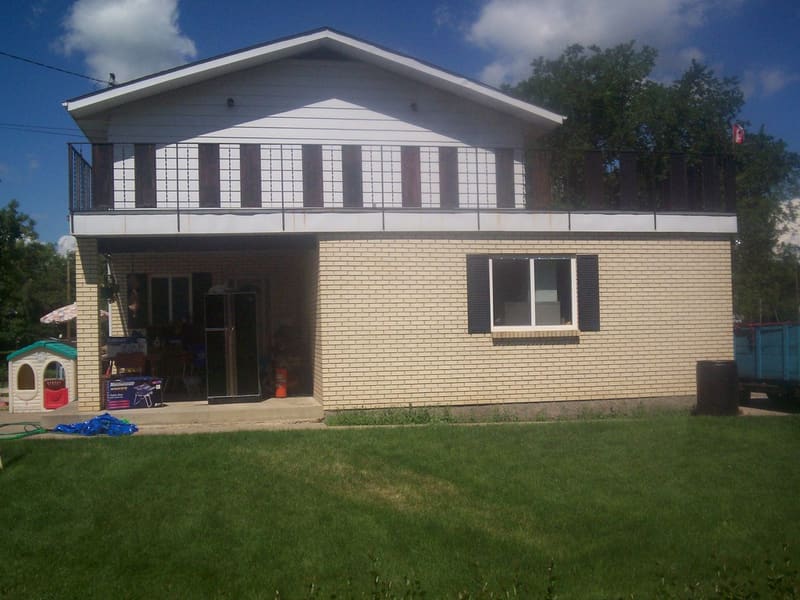
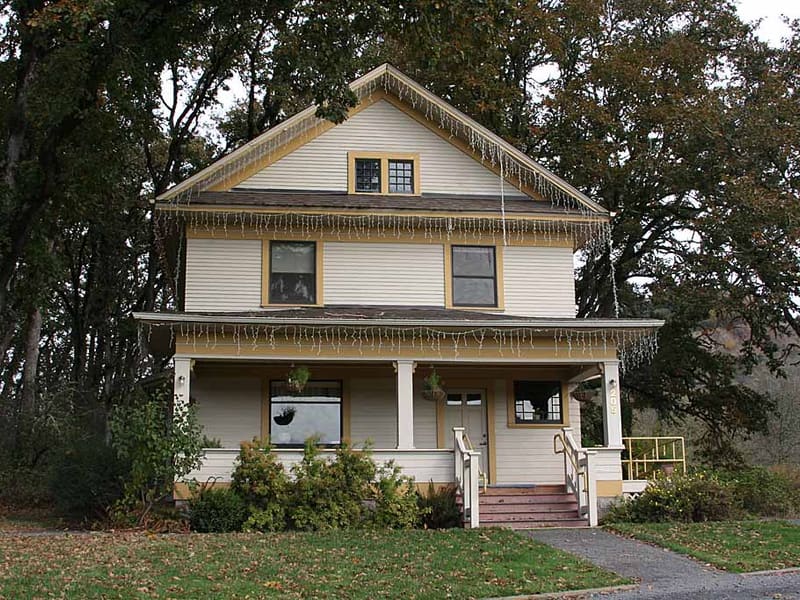
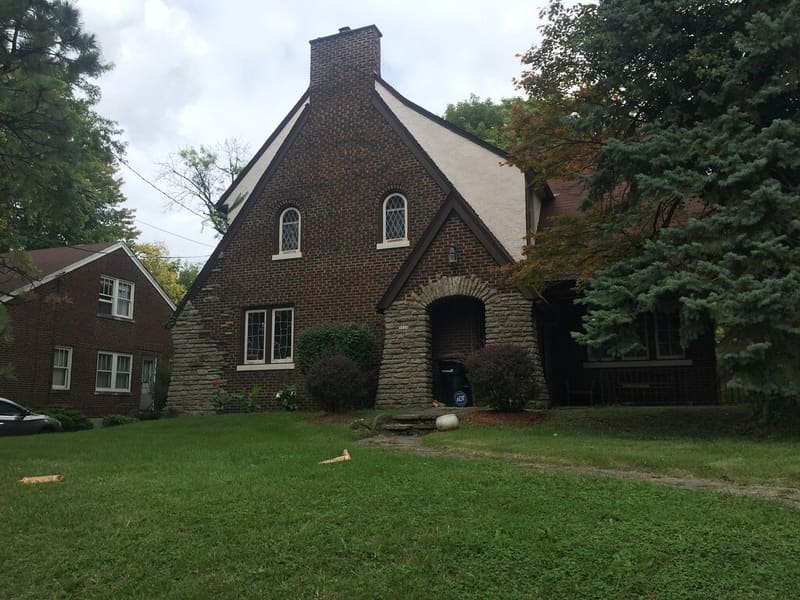
A roof inspection is most useful when it answers a defined question. A widening stain needs leak tracing. Material on the ground after wind needs a securement check. A roof approaching a sale needs documented visible conditions. Winter preparation calls for attention to eaves, gutters, flashing, and past thaw-day trouble. Naming the reason for the visit keeps the report focused on a decision instead of producing a vague list of everything a roof could someday need.
Bethlehem properties can place asphalt, older slate, masonry, metal details, gutters, and a low-slope addition on one structure. Each surface needs its own viewing and access method. The result should identify what was visible, what could not be safely accessed, where photos were taken, and which observations need repair, maintenance, monitoring, or a replacement estimate. That record gives the homeowner a usable baseline rather than a verbal opinion that disappears after the appointment.
A complete check moves from the symptom to the surrounding system
Exterior review covers safely visible roof planes, shingles or slate, caps, valleys, penetrations, chimney sides, roof-wall junctions, edge metal, gutters, outlets, and downspouts. A leak visit connects those areas to the room, attic evidence when accessible, and the timing of water. A storm visit records conditions across more than the one obvious defect. Photos should include both close detail and enough surrounding surface to show where the observation sits on the house.
Access limits belong in the report. Snow, ice, steep pitch, brittle slate, narrow rowhome approaches, and concealed attic spaces can prevent a full view on the first visit. A careful contractor uses appropriate vantage points and returns when needed rather than damaging sound material to claim a complete walk. If structural movement is suspected, a roofing inspection can document visible clues but is not a substitute for a separate structural professional.
Schedule around a decision, not generalized roof worry
Call after a ceiling mark appears, after wind leaves shingles or slate on the property, after hail or limb impact, before winter when eaves have leaked before, or when recurring repair bills raise a replacement question. An inspection also helps before gutter work if water may be crossing the fascia, and before siding repair where a roof-wall connection could be the true source. The earlier the question is framed, the easier it is to collect the right evidence.
For a home transaction, ask whether you need a basic repair inspection or a detailed written report intended for third-party use. Basic inspections with photos are offered at no cost when tied to repair or replacement pricing. Detailed written reports often fall between $200-$400 because the documentation and purpose differ. Clarifying that need before the visit prevents a deadline from turning a short field assessment into an inadequate formal report.
A useful report distinguishes defects, wear, and uncertainty
The report should separate an active opening from ordinary aging, a maintenance item from a leak risk, and a safely observed area from one that could not be accessed. It should avoid predicting an exact remaining life from appearance alone. If a focused flashing or boot repair addresses the symptom, the recommendation can stay narrow. If the surface is brittle across several planes or decking is soft in multiple places, the photos should support a replacement conversation.
That distinction matters on older Bethlehem houses. Slate can remain serviceable while a few pieces or flashing joints fail, and mixed additions may age at different rates. A single property can therefore need maintenance on one section, repair on another, and only monitoring elsewhere. The final notes should prioritize immediate water control, near-term work, and items to recheck so the homeowner knows what to do next and what does not require action today.
For scheduling, call (610) 492-6917. Bethlehem Roof Pros routes the request to an independent Pennsylvania roofing contractor serving Bethlehem and nearby Lehigh Valley communities.