A single failed boot, open flashing lap, or short run of missing shingles does not automatically justify replacing an otherwise serviceable roof. Replacement becomes easier to defend when material fractures during normal handling, stains appear beneath different slopes, the deck is soft in several places, or old patches surround nearly every penetration. The inspection should establish whether the current failure is isolated and how much dependable surface remains before a full tear-off is priced.
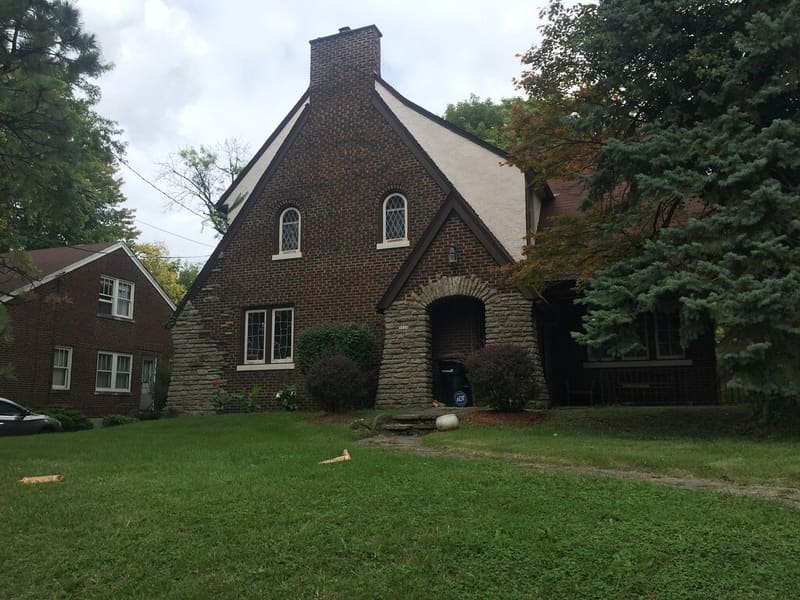
Bethlehem makes that decision unusually material-specific. Much of the city housing went up between 1900 and 1950, and many roofs sit on pre-war framing. One property may combine older slate, masonry chimneys, metal details, asphalt additions, and a low-slope rear section. A South Bethlehem rowhome, West Bethlehem twin, and postwar Bethlehem Township home need different access and tie-in plans. The written scope should name those transitions instead of hiding them inside one roof-area number.
Signs that another focused repair may have limited value
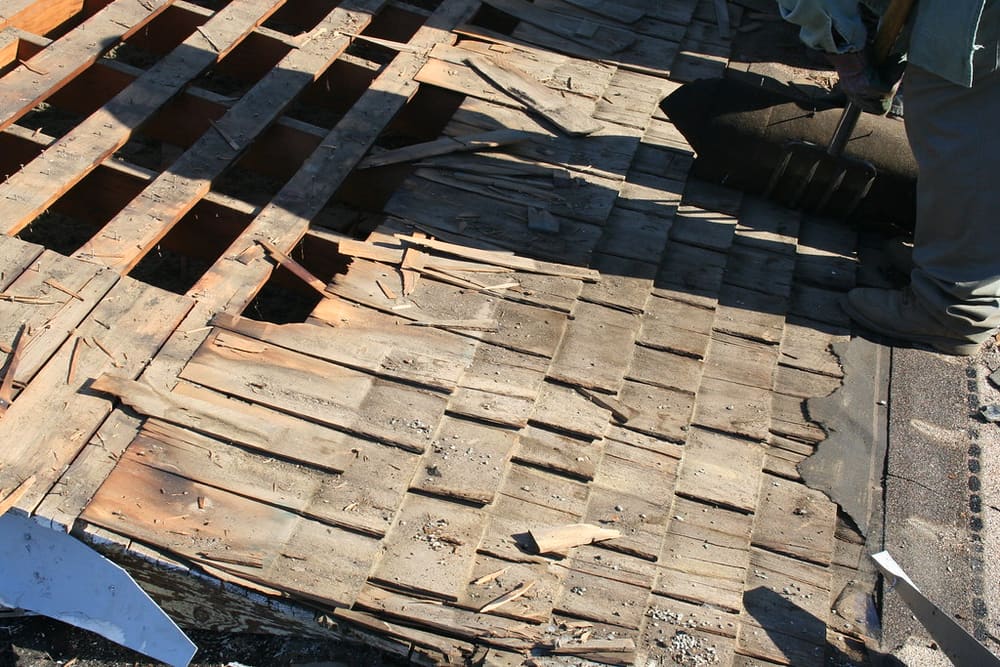
Repeated leaks on separate roof planes suggest more than one failed detail. Asphalt that has lost flexibility may split when a repair area is lifted, while widespread granule wear leaves the mat with less protection. Soft or swollen sheathing can reveal longer wetting than the ceiling stain suggests. On slate, scattered slipping pieces and failing fasteners across the field are different from one clean break. These observations do not force replacement, but they define what a narrow repair cannot correct.
When both options remain plausible, ask for two clear explanations. The repair scope should identify the opening, surrounding material, and expected limitations. The replacement scope should explain which repeated risks are removed, which decking costs remain allowances, and how special roof sections are handled. A homeowner can then compare a smaller present cost with the likelihood of reopening another old area, without being pushed toward a dramatic conclusion.
Read the assembly details before comparing replacement bids
A useful proposal distinguishes tear-off from overlay, states the roof covering, identifies underlayment and roof-edge protection, and describes new drip edge, valleys, ridge treatment, ventilation, pipe penetrations, chimney flashing, and sidewall steps. It should also say how rotten or unsuitable decking is measured and priced, how debris is contained, and what happens where steep roofing meets a rubber or metal section. The serving contractor verifies municipal permit requirements for replacement and structural work.
Older-home details deserve their own line items or narrative. Slate removal and matching, existing copper, masonry connections, bracketed cornices, tight rowhome access, and plaster below the deck can change sequencing and protection. No proposal should imply that every historic-looking detail will be recreated without inspecting it. Ask which elements remain, which are replaced, how new waterproofing ties into them, and what discovery would require a written change to scope.
Use the market range as a planning boundary
Many Bethlehem architectural asphalt replacements fall between $10,000-$23,000, or roughly $425-$700 per square installed. That range is useful for early budgeting, not for pricing a roof from a street view. Steep height, restricted staging, removal layers, damaged sheathing, slate handling, chimney work, and low-slope connections can move otherwise similar roof areas to different totals. A smaller roof can cost more per square when access and details consume more of the labor.
Compare quotes by scope before comparing totals. One price may include edge metal, ventilation correction, flashing replacement, disposal, and a defined decking allowance while another leaves those decisions until the roof is open. The firm number follows measurement and inspection, with hidden-condition rules written in advance. Call (610) 492-6917 if you want the roof assessed for both a repair and a replacement path where both still make sense.
For scheduling, call (610) 492-6917. Bethlehem Roof Pros routes the request to an independent Pennsylvania roofing contractor serving Bethlehem and nearby Lehigh Valley communities.