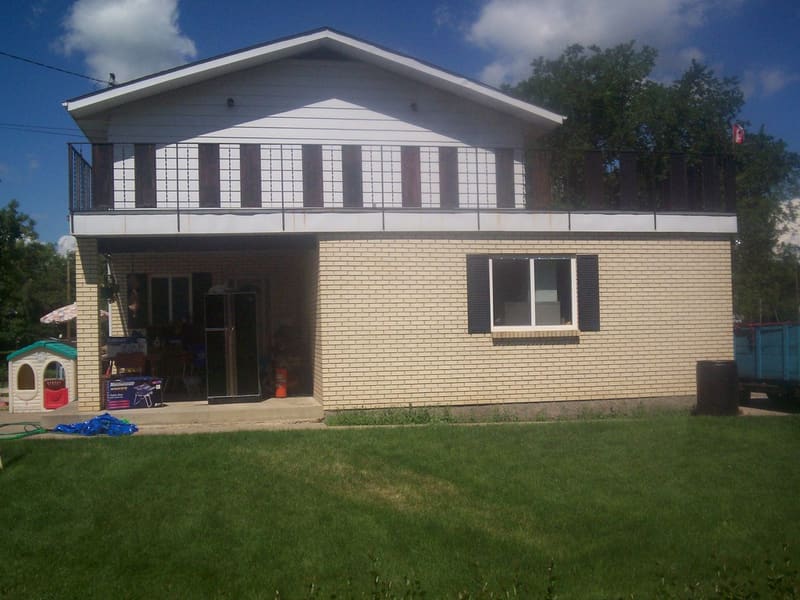
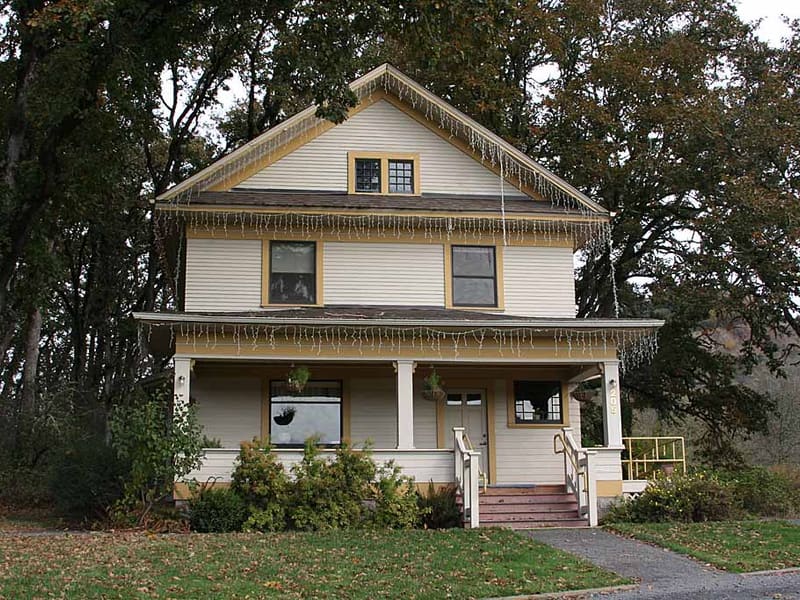
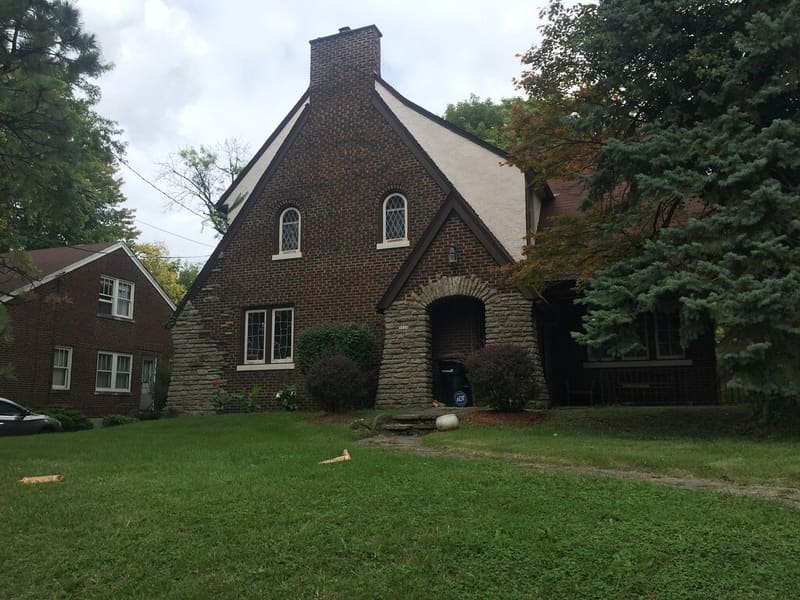
Water spilling at an eave can begin with a clogged outlet, a run pitched away from its downspout, loose hangers, a failed joint, or roof runoff that overshoots the gutter. Once water reaches the back of the trough, it can wet fascia and the roof edge before falling beside the house. Replacing metal without identifying that path may leave the same overflow at the next heavy rain, especially where a steep roof concentrates water into a short section.
Bethlehem properties add practical constraints: older fascia, narrow side yards, tall rear elevations, mature tree debris, masonry close to downspouts, and winter ice at the eaves. A gutter visit should follow water from the roof surface through the outlet and downspout to its discharge point. Call (610) 492-6917 when a run sags, water falls behind it, seams drip, or an edge stain appears after overflow. The quote can then separate a focused repair from a whole-home seamless aluminum system.
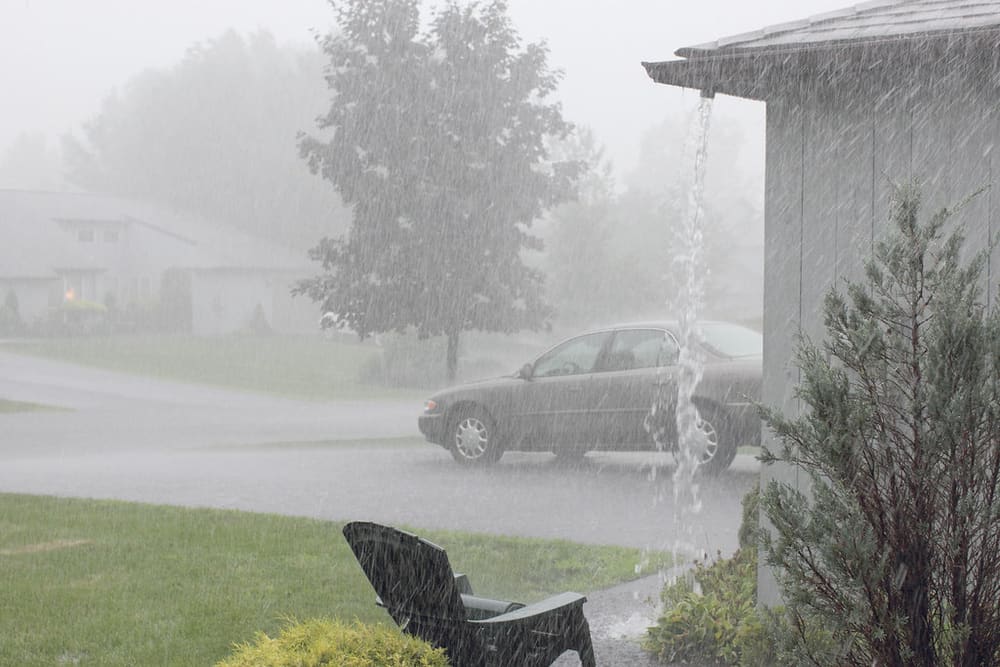
Keep sound runs when alignment and hardware can be corrected
A stable gutter with a local defect may only need a joint resealed, hangers reset, pitch corrected, an outlet reopened or replaced, or a downspout connection repaired. Wet or deteriorated fascia behind the section must be identified before new fasteners are expected to hold. The contractor should also check whether shingles and edge metal direct water into the trough; a drainage complaint caused by a roof-edge detail will not be solved by adjusting the gutter alone.
Replacement is more reasonable when long runs are twisted, repeated seams open, the trough cannot be pitched to an available outlet, or old fastening has damaged too much fascia for another rehang. Seamless aluminum reduces field joints, but downspout locations and discharge still determine whether the system works. The written plan should state the run layout, outlet positions, fascia assumptions, and any roof-edge work rather than describing only total linear coverage.
Standing water at the eave becomes a winter roof problem
A low spot in the gutter or blocked outlet can retain water that freezes at the roof edge. Ice can pull on hangers, open joints, move behind fascia, or contribute to a larger frozen edge where later meltwater backs toward the roof. The indoor mark may not appear until thawing begins. Gutter correction cannot control every ice-dam cause because attic heat, insulation, ventilation, snow, and temperature cycles also influence the roof.
Inspection should include the first roof course, edge metal, fascia face, hanger attachment, gutter pitch, outlets, and downspout joints. It should also note where discharge lands and whether water is sent toward a walkway or back against the building. On a shaded property, the plan may include a maintenance schedule for tree debris. Any guard option should be evaluated against the roof shape and expected debris rather than presented as a maintenance-free promise.
Plan the gutter budget around repairability and access
Focused Lehigh Valley gutter repairs commonly fall between $150-$600, while typical whole-home seamless aluminum work runs $1,400-$3,400. A joint or hanger repair on an accessible first-story eave is a different job from replacing tall rear runs over a narrow approach. Fascia condition, roof height, number and location of outlets, downspout routing, corners, and removal of old material all affect the firm price after inspection.
Before authorizing replacement, confirm measurements, finish selection, hanger plan, outlet and downspout layout, removal, and cleanup. If damaged fascia or roof-edge material is visible, the proposal should explain whether that repair is included or priced separately. A clear scope avoids hanging new metal onto a weak substrate and gives the homeowner a drainage plan that can be checked from the first rainfall onward.
For scheduling, call (610) 492-6917. Bethlehem Roof Pros routes the request to an independent Pennsylvania roofing contractor serving Bethlehem and nearby Lehigh Valley communities.