Leak Tracing and Slate Care

Connect the room and weather pattern to shingles, slate, chimney metal, a rubber seam, or a frozen eave before choosing the repair boundary.
If water is moving now, call (610) 492-6917 from a safe part of the house.
A Bethlehem roof leak may announce itself as a brown ring after wind-driven rain, a plaster stain that grows during a thaw, a slate piece on the walk, or water slipping behind a gutter at the eave. The visible symptom does not map the opening. Water can enter beside a chimney, under a lifted asphalt tab, through a rubber seam, or behind roof-wall flashing, then follow decking and framing before it reaches the room. That travel is especially important across Bethlehem's roof mix. Historic Moravian District buildings include slate and detailed metalwork; South Bethlehem rowhomes may use low-slope rubber; West Bethlehem twins and North Bethlehem houses can carry older flashing into additions; and postwar Lehigh Valley homes bring worn boots, valleys, caps, fasteners, and gutter edges into the same repair conversation.
Bethlehem Roof Pros routes homeowners to a registered, insured independent Pennsylvania roofing contractor for leak repair, slate triage, storm and hail documentation, emergency protection, inspections, maintenance, roof replacement decisions, gutters, and siding. The first useful answer is a boundary: which material failed, how water moved, what must be opened, and whether nearby roofing can support the repair. Sometimes that means one boot, flashing joint, slate area, or membrane seam. Sometimes repeated stains, brittle material, or soft decking make a larger section or replacement the better use of money. Photos and a written scope should show the difference before work is authorized. Call (610) 492-6917 with the room, timing, recent weather, roof type if known, and safe access notes. Stay off wet, icy, steep, slate, or storm-damaged surfaces.
Pennsylvania is an all-party-consent state under 18 Pa.C.S. sec. 5704. Calls to and from this number may be recorded only after a recording disclosure is given, and staying on the line after that disclosure indicates consent.
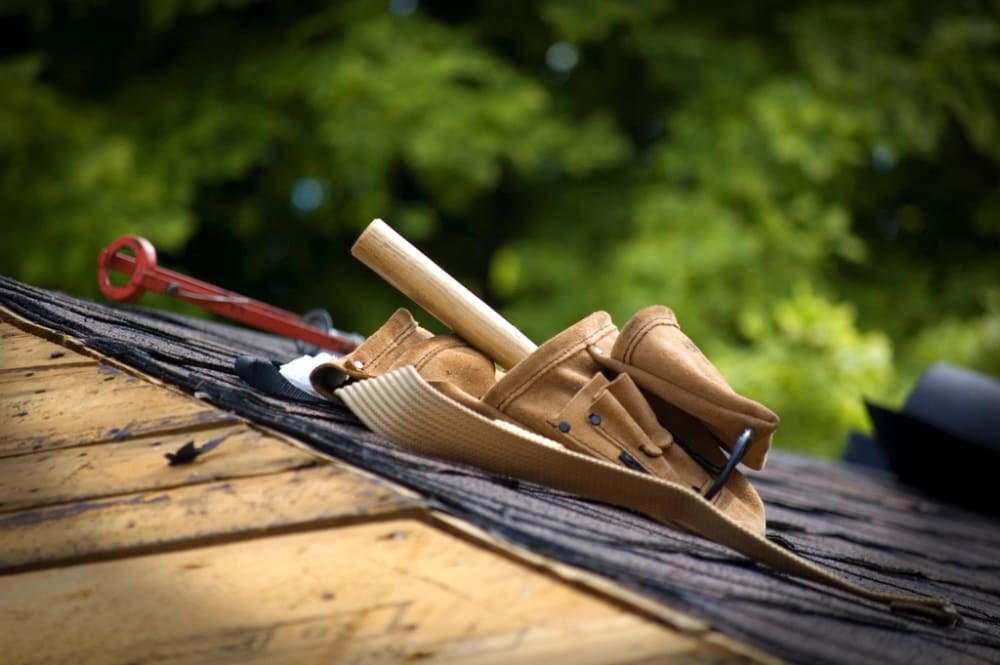
Thaw Leaks · Slate And Flashing · Wind-Driven Rain · Rowhome Low-Slope Roofs
Connect the room and weather pattern to shingles, slate, chimney metal, a rubber seam, or a frozen eave before choosing the repair boundary.
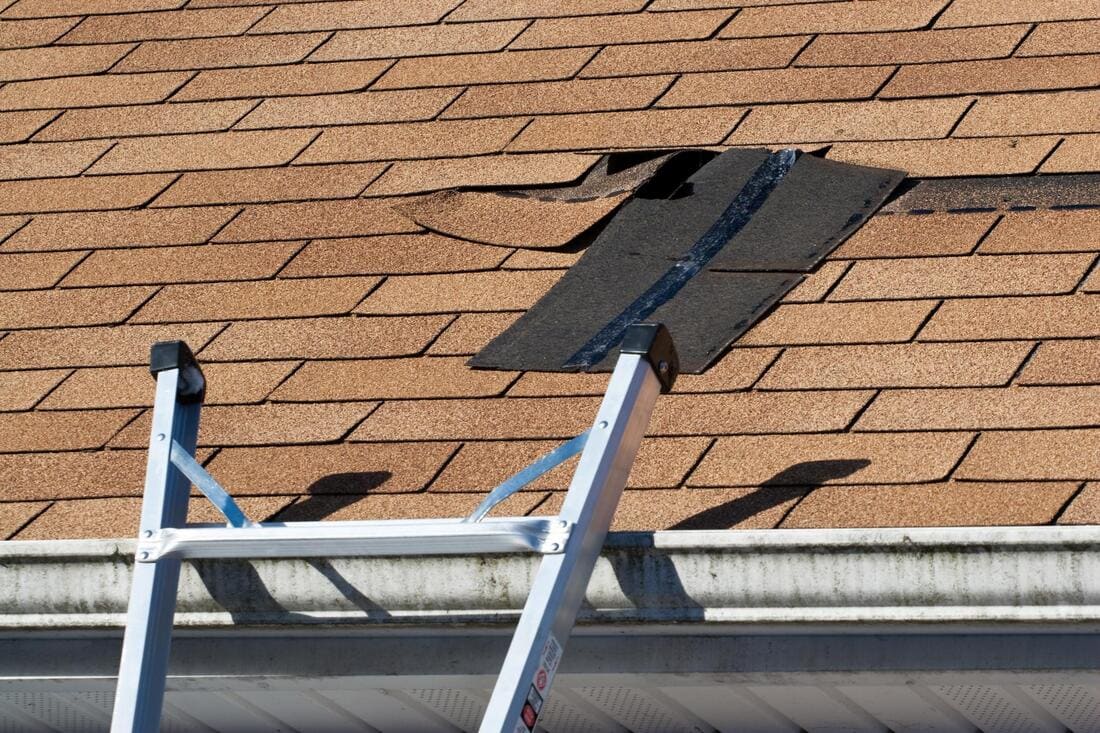
Record wind and hail conditions at roof planes, caps, edges, gutters, siding transitions, and indoor water areas, then price only the observed work.
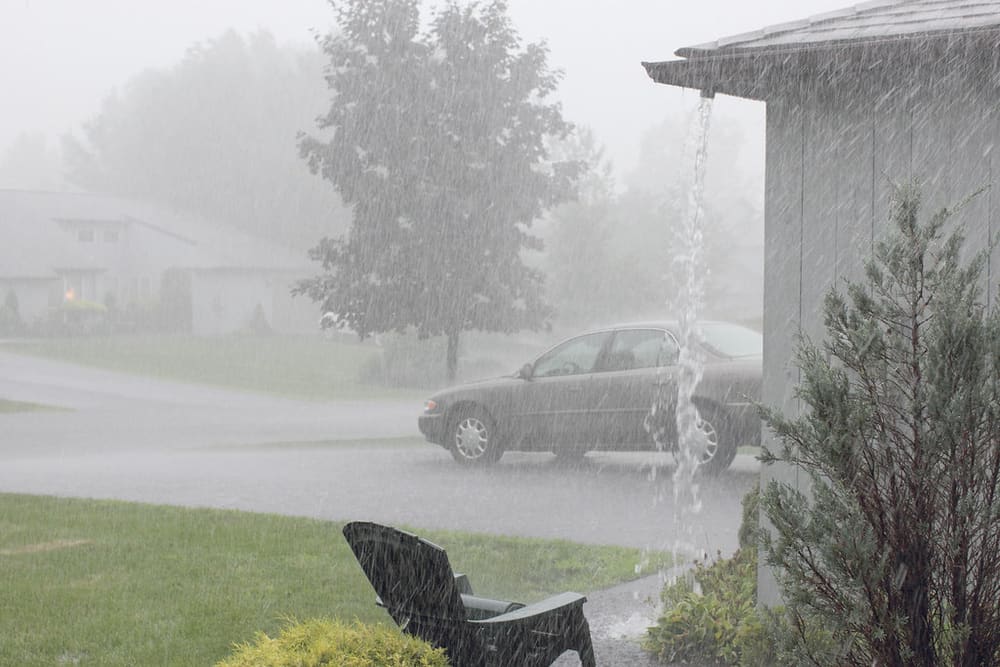
Follow runoff across edge metal, fascia, pitch, outlets, and downspouts so new gutter work corrects the actual drainage failure.
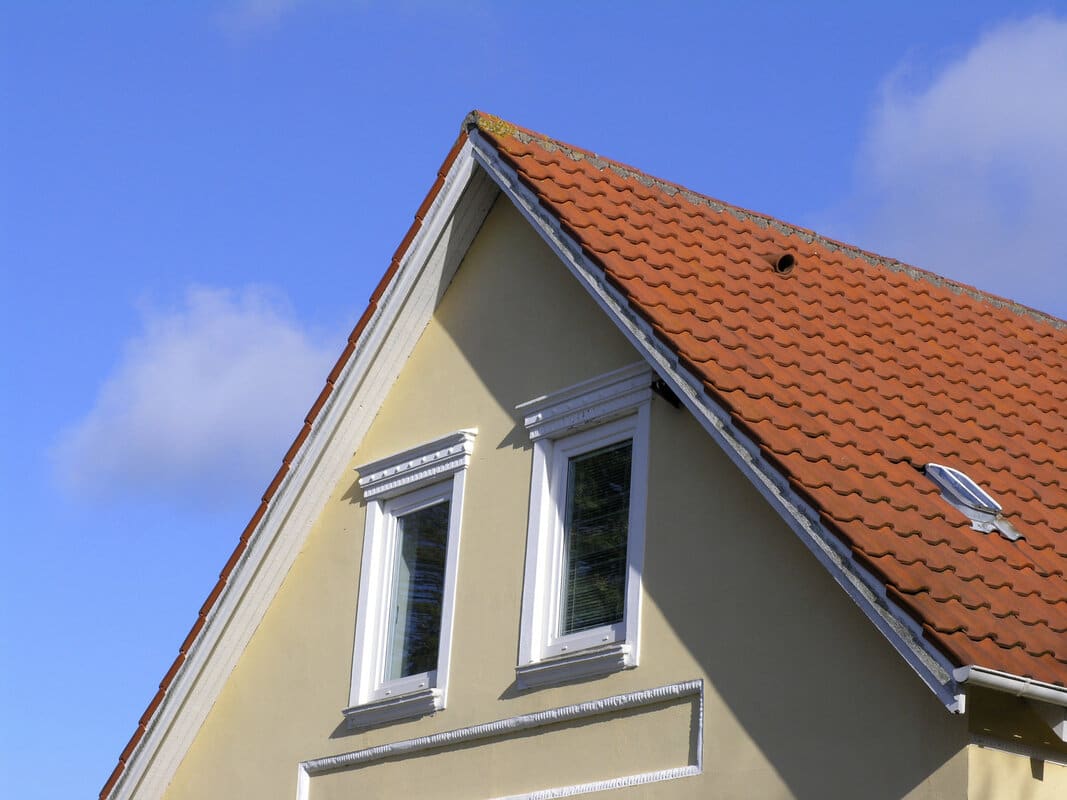
Slate can remain serviceable for decades beyond an asphalt addition while the flashing between them wears sooner than either surface. A masonry chimney can collect runoff above an otherwise small metal opening. A rowhome rubber section depends on seams, wall terminations, and drains instead of shingle laps. Freeze-thaw movement works at all of those joints, and a later thaw reveals the path inside plaster, insulation, or drywall. Wind-driven rain adds another clue when water appears only on one exposed elevation. The contractor should inspect the material transition and drainage route, not force every symptom into an asphalt-shingle repair method.
Repair deserves priority when the failure is localized and surrounding material remains sound: a split boot, slipped slate, short flashing defect, lifted cap, small shingle field, or open membrane seam. The quote should identify the exact plane, describe how new material ties into the existing roof, and state any hidden-decking assumptions. Replacement becomes easier to defend when stains recur beneath different slopes, asphalt breaks during normal handling, fasteners fail across a slate field, or decking is soft in several places. If both paths are realistic, ask for the limits and cost of each rather than accepting a single conclusion without roof-wide evidence.
Start with the room, timing, weather, and safe photos from inside or the ground. The contractor follows those clues across accessible roof planes, penetrations, valleys, flashing, edges, and attic evidence where available. Photos should show the close defect and enough surrounding surface to establish location. The written scope then names the repair boundary, material, access, cleanup, and assumptions about decking or matching. Emergency protection should be labeled separately from permanent work. For replacement or structural work, the serving contractor verifies the applicable Bethlehem or Lehigh Valley municipal requirements before the project begins.
Pennsylvania home improvement contractors register with the Office of Attorney General, and the PA HIC number must appear on advertisements, contracts, estimates, and proposals. Registered contractors carry at least $50,000 in liability coverage and $50,000 in property-damage coverage. Ask the contractor for that number and verify it with the Attorney General office; registration is a consumer check, not an endorsement of the work. Read the actual scope, payment, cancellation, and warranty terms. Avoid deductible-waiver offers and promises of insurance approval. Pennsylvania also requires all parties to consent before a call is recorded, so the phone greeting provides a recording disclosure before recording begins.
Bethlehem repair and exterior guide
Wind can release seal strips, lift ridge material, bend roof-edge metal, and drive rain through a sidewall opening that stays dry in calmer weather. Hail can disturb asphalt or mark soft metal without making a hole visible from the yard. A storm inspection should photograph the location, close condition, surrounding surface, and any interior water path. The contractor prices the construction scope; the insurer decides coverage, and no one should turn a hoped-for result into a guarantee.
Bethlehem repair and exterior guide
Active water, exposed decking, tree impact, missing sections, and a split low-slope membrane may need temporary protection before a normal repair visit. Describe the indoor condition, visible opening, roof type, and access from a safe location. A tarp or dry-in can limit new weather exposure, but it does not settle hidden deck damage or the life of surrounding material. The permanent scope follows when conditions allow a complete inspection.
Bethlehem repair and exterior guide
Replacement deserves consideration when leaks recur on separate planes, asphalt fractures during normal handling, decking is soft in several areas, or storm damage crosses too much roof for a dependable section repair. Bethlehem scopes may need to coordinate older flashing, slate removal or tie-ins, masonry, ventilation, roof-edge protection, and low-slope additions. A proposal should explain why replacement solves more than a focused repair and state how municipal requirements will be verified.
Bethlehem repair and exterior guide
A useful inspection answers the question that brought you there: where water enters, whether wind released material, what winter could expose, or whether another repair makes economic sense. Photos should locate the condition, show it closely, and include surrounding roofing for context. On a mixed Bethlehem roof, the report may call for repair on one section, maintenance on another, and monitoring elsewhere. Areas hidden by weather or unsafe access should be identified plainly.
Bethlehem repair and exterior guide
Seasonal care is valuable when the roof remains serviceable and the weak points are specific. Spring work can catch shifted slate, lifted caps, cracked boots, and flashing movement after freeze-thaw cycles. Fall attention belongs at valleys, gutters, downspouts, and eaves before snow and ice arrive. The record should separate corrected items from repairs that need a separate scope. Repeated leaks, soft decking, and widespread brittle material have moved beyond maintenance.
Bethlehem repair and exterior guide
A gutter works only when the roof edge feeds it, the run holds pitch, outlets remain clear, and downspouts carry water to a sensible discharge point. Loose hangers, open seams, wet fascia, and winter ice can make a roofing leak and drainage problem overlap. The inspection should cover edge metal, fascia, pitch, outlets, and discharge before choosing between a localized $150-$600 repair and typical $1,400-$3,400 whole-home seamless aluminum work.
Bethlehem repair and exterior guide
Loose vinyl, dented aluminum, and open trim may be surface damage or the visible part of a longer water route. Rain can begin at step flashing, a missing lower kickout, or an overflowing gutter and emerge behind wall cladding. The inspection should trace uphill before material is removed. A written scope can then address profile-matching limits, wall protection, roof flashing, siding, and installation order without covering one unfinished detail behind another.
Bethlehem repair and exterior guide
The cost guide places common work into 2026 Lehigh Valley planning ranges, from a $275-$650 minor shingle, boot, or flashing repair to a $1,400-$4,000 major section repair. It also explains slate, emergency dry-ins, gutters, inspections, and asphalt replacement. The point is not to price a stain from a screen. It is to compare scopes, spot missing assumptions, and understand the likely order of cost before an on-site written quote.
A stain can lead to a $275-$650 minor boot or flashing repair, a $550-$1,400 leak trace and valley scope, or a larger section when wet decking is discovered. Pitch, height, staging, material, matching, emergency timing, and the amount that must be opened all influence the firm price. Use the ranges as a planning boundary and compare what each proposal includes. They are not a rate card for unseen work, and the lowest total may omit flashing, decking, cleanup, or access that another quote states clearly.
| Work type | Typical range | What it covers |
|---|---|---|
| Minor shingle, boot, or flashing repair | $275-$650 | Small asphalt patches, pipe boot replacement, exposed-fastener sealing, and simple flashing correction. |
| Moderate leak trace or valley work | $550-$1,400 | Chimney flashing, valley repair, rubber-roof patching, or limited decking opened around a known leak. |
| Slate or older-home flashing repair | $600-$2,500 | Slate piece replacement, copper or step-flashing work, careful access, and material matching where available. |
| Major section repair | $1,400-$4,000 | Larger storm-damaged areas, sheathing replacement, structural tie-ins, and multi-slope repairs. |
| Emergency tarp or dry-in | $300-$700 | Temporary weather protection after active leaks, tree impact, lifted shingles, or storm openings. |
| Architectural asphalt replacement | $10,000-$23,000 | Typical Bethlehem whole-home asphalt replacement, roughly $425-$700 per square installed. |
| Seamless aluminum gutter work | $1,400-$3,400 | Typical whole-home gutter installation; focused gutter repairs often run $150-$600. |
The independent contractor confirms the roof plane, access, material, hidden-decking rules, cleanup, and any temporary work in writing before you authorize the project.
Nearby calls share Lehigh Valley snow, freeze-thaw movement, wind, hail, and heavy rain, but the roof stock and exposure change. Allentown work may shift from an urban rowhome membrane to a West End older-house detail. Easton adds hill sections, river-valley wind, College Hill homes, slate, and masonry flashing. Hellertown brings mature trees, shaded valleys, and icy roof edges into focus. Review the full Lehigh Valley service area, then call with the exact address, symptom, and safe access notes so coverage and timing can be confirmed.
Minor shingle, boot, or flashing work typically falls between $275-$650. Moderate leak tracing, valley work, chimney flashing, or a rubber roof patch often runs $550-$1,400. Slate and older-home flashing repair commonly falls between $600-$2,500 because access and matching material affect labor. These are 2026 Lehigh Valley planning ranges. The contractor confirms the actual roof plane, material, decking assumptions, and firm price after inspection.
No. Slate commonly fails piece by piece, and a cracked or slipped unit or localized flashing problem may be repaired while the surrounding field remains serviceable. The contractor should plan access that protects sound slate and explain matching material. A larger section becomes more reasonable when failures are scattered, fasteners are giving way broadly, old flashing has failed on several sides, or repeated water has damaged the deck.
Move people and belongings away from the water path, keep clear of wet electrical fixtures and a bowed ceiling, and use a container only where the overhead surface is stable. Photograph the indoor condition from a safe spot, then call (610) 492-6917 and describe the room, roof material if known, and recent weather. Do not climb a wet, icy, steep, slate, or storm-damaged roof to search for the opening.
The contractor can photograph observed conditions across relevant roof slopes and exterior details, identify temporary protection needs, and prepare an itemized repair or replacement scope. The record should distinguish current openings from ordinary wear. The insurer controls coverage, and no inspection guarantees approval or payment. Reject deductible games and keep the roofing contract, deductible obligation, and insurer decision clear.
The serving contractor should verify the current requirements for Bethlehem or the applicable Lehigh Valley municipality after the repair, replacement, or structural scope is defined. A limited repair and a full replacement may be treated differently. Ask the proposal to state permit handling and any homeowner responsibility before work starts instead of relying on an assumed rule or fee.
Ask the contractor for the Pennsylvania HIC registration number and check it with the Pennsylvania Office of Attorney General before signing. Under HICPA, the number belongs on advertisements, contracts, estimates, and proposals. Registration also carries insurance requirements, but it is not an endorsement of workmanship. Read the scope, payment terms, cancellation language, and warranty terms in the actual contractor agreement.
Call Us Today
Bethlehem Roof Pros
(610) 492-6917Get condition photos, a repair boundary, and a written quote from an independent Pennsylvania roofing contractor serving Bethlehem and nearby Lehigh Valley communities.
“Walked the whole roof, showed me photos, and told me I had a few years left instead of pushing a replacement. That is how you earn the next job.”
“A storm blew a section of fascia loose. They dried it in the same day so the weather could not do more damage, then finished the fix clean.”
“Three companies said full roof. They found one failing valley and fixed it for a fraction of the price. Years on, still dry.”